

Natural Bodybuilding Competition for Beginners: 2026 Guide

Last Updated: October 23, 2026
Quick Summary
A natural bodybuilding competition for beginners is a physique contest restricted to drug-free athletes, enforced through federation membership and drug-testing protocols. Choose a federation whose testing policy is published in writing, pick a division that matches how you already train, and register before the deadline. Plan on 12 to 20 weeks of structured contest prep for your first show.
Verify a federation's drug-testing policy in writing before paying any membership fee.
Match your division to your existing training style, not the most impressive-sounding category.
The registration deadline governs your entire prep calendar, so work backward from it.
Budget for membership, suit plus backup, tanning, and travel, since the entry fee is rarely the biggest cost.
Prejudging often carries more judging weight than the evening finals, so treat it as the main event.
Table of Contents
Why a Natural Bodybuilding Competition Is the Right First Step
How to Choose a Natural Federation and Verify Drug Testing
Bodybuilding Competition Categories for Beginners: Divisions and Classes
What judges actually score
The main division types you'll encounter
How to choose your class
A practical decision sequence
Beginner Bodybuilding Competition Prep: Registration, Eligibility, and Deadlines
How Long to Prepare for a Bodybuilding Competition
Realistic Competition Costs Beyond the Entry Fee
What each line actually covers
How to build your budget
Your Bodybuilding Competition Checklist for Show Day
Conclusion
Frequently Asked Questions
Why a Natural Bodybuilding Competition Is the Right First Step
A natural bodybuilding competition for beginners is a physique contest restricted to athletes who compete without performance-enhancing drugs, enforced through federation membership and drug-testing protocols. It gives first-timers a defined season, a judging standard, and a stage debut against athletes held to the same rules.
The hardest part of your first show isn't the training, it's the logistics, federation paperwork, division choice, and twelve weeks of prep. WPF USA built its competition structure around that problem, with categories from pre-teen classes through Grand Masters 65+, so a first-timer never has to guess where they belong.
Below, we'll cover federation selection, division choice, registration deadlines, prep timelines, real costs, and a show-day checklist. First, the part most guides skip: how to verify a natural federation actually enforces its rules.
How to Choose a Natural Federation and Verify Drug Testing
Start with the rulebook, not the homepage. A legitimate natural federation publishes its drug-testing policy, banned substance list, and testing procedure in writing, and applies those rules to every sanctioned event rather than a select few.
Ask three questions before you pay a membership fee:
Is testing mandatory or optional? A federation that only tests when an athlete requests it is not enforcing natural status.
What happens after a positive test? Look for a written suspension period and a published results process.
Are results public? Sanctioned results that live only on a social media post are hard to verify later.
WPF USA operates as an affiliate of the W.P.F. international, so its competitive standards connect to a broader governing body. That matters for a beginner: if you later want to move up or compete internationally, your results sit inside a recognized structure.
Watch Out The most common first-timer mistake is joining a federation based on a single Instagram post or a friend's recommendation without reading the testing policy. You can spend a full prep cycle and a membership fee before discovering the natural category you entered isn't actually tested.
Bodybuilding Competition Categories for Beginners: Divisions and Classes
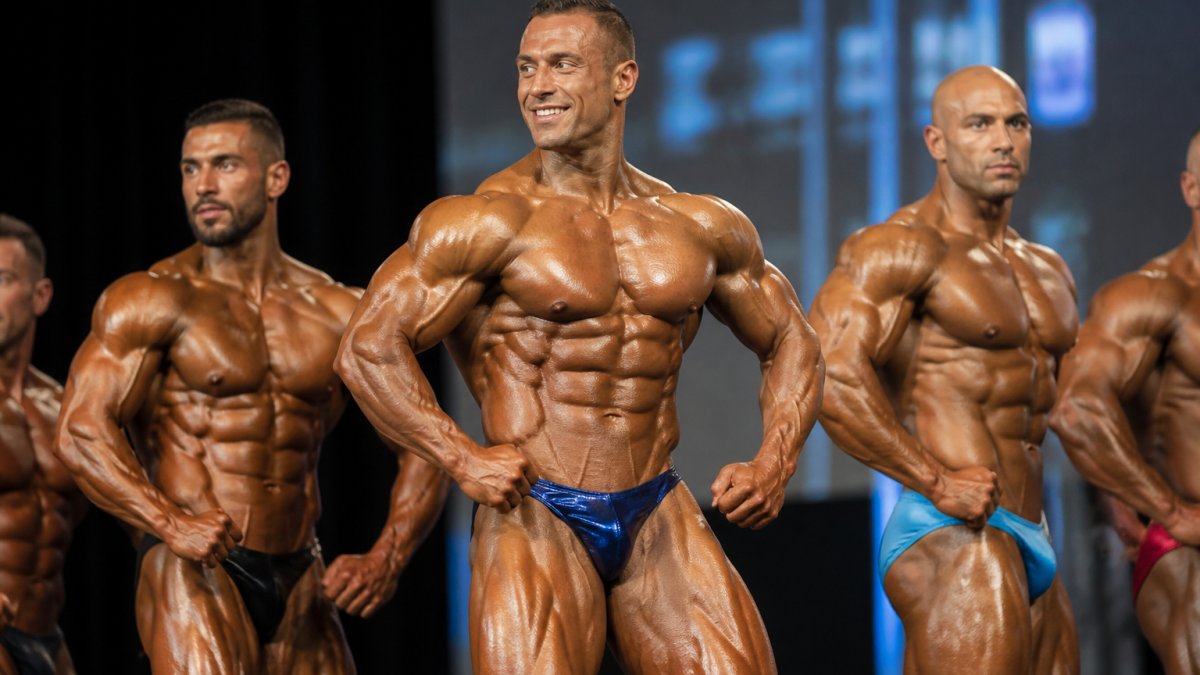
Bodybuilding competition categories for beginners split along two axes: division, which defines what the judges score, and class, which defines who you stand next to. Get both wrong and you'll prep for the wrong physique.
Tom Stockton
What judges actually score
Across natural federations, judging comes down to four scored criteria, weighted differently by division:
Muscularity and size, how much muscle you carry relative to your frame.
Conditioning, how lean and dry you appear, especially through the midsection, glutes, and hamstrings.
Symmetry and proportion, whether muscle groups balance each other and your upper and lower body match.
A size-focused division weights the first two heavily; a leaner, athletic division weights conditioning and presentation more. Prep for size but enter a conditioning-weighted class, and you'll look soft next to the field even if you trained hard.
The main division types you'll encounter
Most natural federations organize competition into a handful of division families. Names vary, but the distinctions are consistent:
Division family | What judges reward | Who it fits |
Open bodybuilding | Maximum muscle size, symmetry, and low body fat | Athletes with several years of dense training |
Classic or athletic | Balanced muscle with a leaner, more aesthetic look | Beginners with an athletic base and moderate size |
Physique | V-taper, conditioning, and stage presentation in board shorts or similar | First-timers who train for a lean, athletic look |
Bikini or figure-style | Shape, proportion, and presentation with less emphasis on raw size | Beginners prioritizing aesthetics over mass |
Read your federation's rulebook for exact division names and posing requirements, because trunks length, posing style, and footwear differ.
How to choose your class
Classes sort competitors by age, height, or weight so a 22-year-old rookie isn't judged beside a seasoned Masters athlete. Choose honestly:
Age classes, enter your true age bracket. Sandbagging into a younger class is usually caught at check-in and can cost your entry.
Height classes, measure barefoot at check-in height, not your gym estimate.
Weight classes, weigh in the morning of the show, not the week before; water and food shift the number.
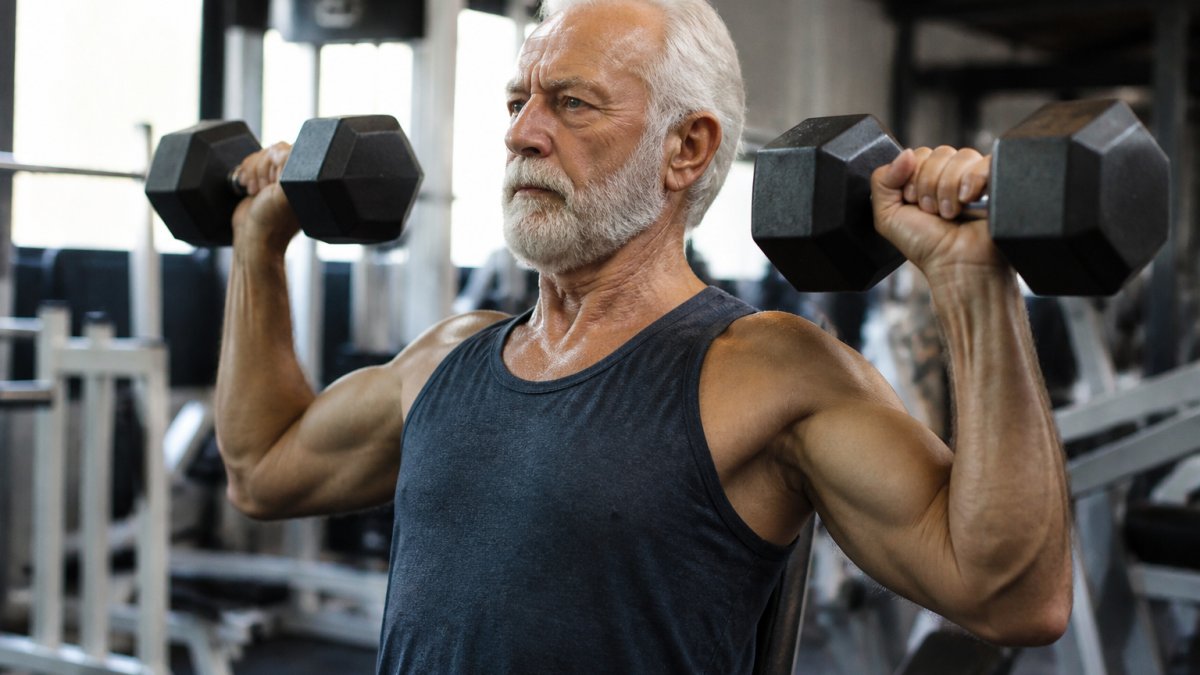
Age-based categories deserve more attention than beginners give them. WPF USA runs categories from pre-teens through Grand Masters 65+, so a 67-year-old who has lifted for decades enters a class built for that age bracket rather than an open division against athletes thirty years younger.
A practical decision sequence
Match the division to how you already train. Two years of dense muscle points to a size-focused division; a lean, athletic look points elsewhere.
Check the posing requirements. Some divisions require specific quarter turns or mandatory poses; practice them before you commit.
Confirm your class with the promoter before the entry window closes so you're not moved on show day.
Photograph yourself in a relaxed front stance under overhead lighting to sanity-check your conditioning.
Decision | What It Determines | Beginner Guidance |
Division | What judges score (size vs. conditioning) | Match your existing training style |
Class | Who you compete against | Choose age/height/weight bracket honestly |
Federation | Rules, testing, and result validity | Verify testing policy in writing first |
Pro Tip Photograph yourself in a relaxed front stance under overhead lighting before you commit to a division. Most beginners overestimate their current conditioning and pick a division that demands six to eight weeks more prep than their timeline allows.
Key Takeaway Pick the division whose judging criteria match the physique you already have, not the one that sounds most impressive. You can always move up a division next season; you can't rebuild your physique in the final four weeks.
Beginner Bodybuilding Competition Prep: Registration, Eligibility, and Deadlines
Beginner bodybuilding competition prep starts with eligibility, not training. Confirm your membership is active, your entry form is submitted before the registration deadline, and you understand the check-in requirements for your event date.
Registration usually runs in this order:
Join the federation and confirm your membership is current for the competition year.
Read the event sanction and rulebook for your chosen show, including any height or weight class rules.
Submit the entry form well ahead of the deadline; late entry often means a late fee or no spot at all.
Confirm your division and class with the promoter before the entry window closes.
Track the check-in time and venue, including prejudging and finals schedules.
Settle eligibility questions early: minimum age for youth categories, membership expiration dates, and whether your federation requires a qualifying event before a higher-level show. WPF USA's youth categories and scholarship structure give younger athletes a defined entry point.
Key Takeaway The registration deadline is the single date that governs your entire prep calendar. Work backward from it, not forward from today.
How Long to Prepare for a Bodybuilding Competition
Plan on 12 to 20 weeks of structured contest prep for a first natural show, depending on how far your current conditioning sits from stage-lean. A lean beginner can compress toward the shorter end; someone carrying more body fat needs the longer runway.
Break the timeline into four phases:
Weeks 1-4: Establish baseline nutrition, training split, and posing practice twice weekly.
Weeks 5-10: Tighten nutrition, increase conditioning work, and start full posing routines with feedback.
Weeks 11-14: Peak conditioning, suit and tanning logistics, and a full dress rehearsal in your posing trunks.
Two mistakes show up again and again. The first is starting prep with too little time and cutting calories aggressively, which costs muscle and leaves you flat on stage. The second is skipping posing practice until the last month; posing takes weeks of repetition before your back pose and quarter turns look controlled.
A first show is a learning event. You'll leave with a judged physique assessment, stage experience, and a clear list of what to improve, feedback that's difficult to buy any other way.
Realistic Competition Costs Beyond the Entry Fee
Budget for more than the entry fee. Most first-timers plan for registration and get surprised by the surrounding expenses, which usually dwarf it. A first natural show is a several-hundred-dollar event, and the entry fee is often the smallest line item.
Amounts vary by federation, region, and whether you hire a coach, so confirm current figures with your federation and local vendors.
Cost category | Typical range | Fixed or optional | Notes |
Federation membership | $40-$100 per year | Fixed | Required before you can enter |
Entry fee per division | $75-$150 | Fixed | Some federations charge per class; entering two classes doubles it |
Late entry fee | $25-$75 | Avoidable | Register before the deadline |
Posing suit or trunks | $50-$250 | Fixed | Plus a backup; budget for both |
Competition tanning | $100-$250 | Optional but common | Professional application usually costs more than DIY |
Coaching or prep guidance | $0-$1,500+ | Optional | Ranges from online check-ins to full prep |
Travel and lodging | $150-$600+ | Variable | Add a night if check-in is early |
Backstage supplies | $30-$75 | Fixed | Posing oil, bands, snacks, garment bag |
What each line actually covers
Federation membership for the competition year, usually annual, so factor in whether you'll compete more than once.
Entry fee per division, plus any late fee if you miss the deadline. Ask whether youth categories carry separate scholarship or fee structures.
Posing suit or trunks, and a backup. A strap failure backstage with no replacement means you compete distracted or not at all.
How to build your budget
Start with fixed costs, membership, entry, suit plus backup, supplies.
Add optional costs you actually plan to use, tanning, coaching. Decide early so they don't surprise you in the final month.
Estimate travel last, once you know the venue and check-in time.
Add a 10-15% buffer for incidentals like parking, food, and a last-minute supply run.
WPF USA does not publish fixed pricing for membership or entries, so confirm current amounts directly with the federation before you build a budget. Ask whether entry fees differ by division and whether youth categories carry separate scholarship or fee structures.
Watch Out Skipping the backup posing suit is a classic first-show error. A strap failure or a tanning mishap backstage with no replacement means you compete distracted or not at all.
Key Takeaway The entry fee is rarely the biggest cost. Build your budget around membership, suit plus backup, tanning, and travel first, then decide whether coaching fits your remaining budget.
Your Bodybuilding Competition Checklist for Show Day
Show day runs on logistics, not adrenaline. Pack the night before, arrive early for check-in, and treat prejudging as the main event, not a warm-up.

Use this checklist:
Membership card and competitor registration confirmation
Posing suit plus backup
Posing oil and tanning touch-up
Check-in usually happens hours before you step on stage, and prejudging often carries more judging weight than the evening finals.
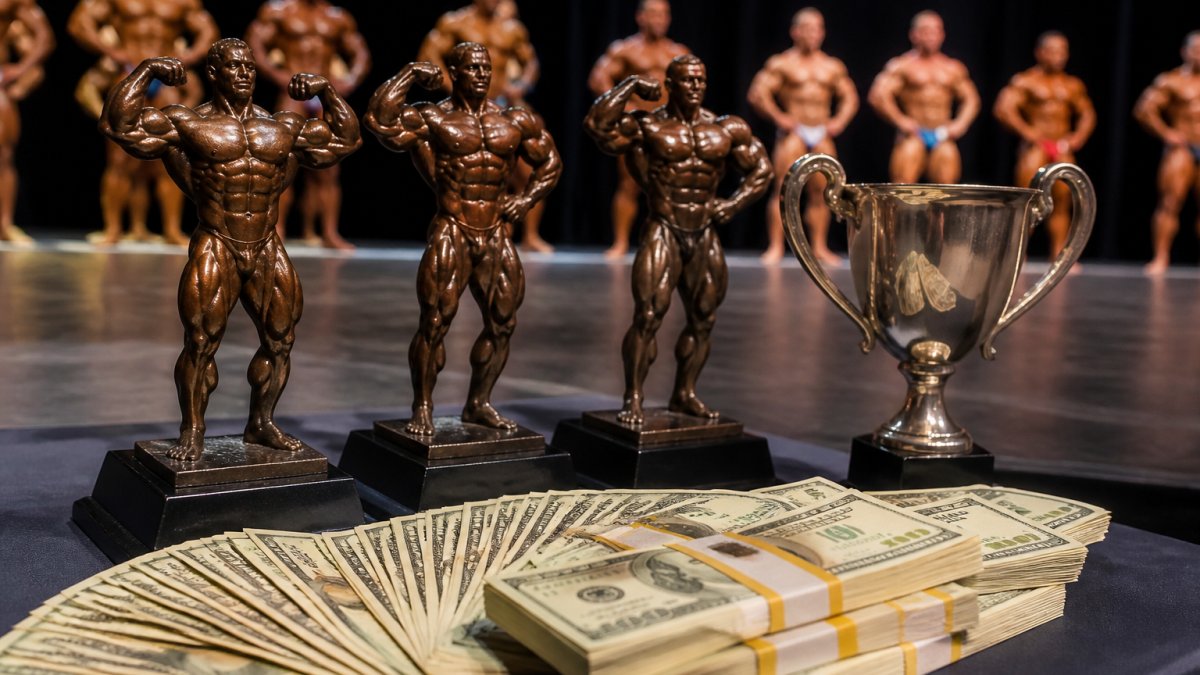
For athletes moving up, WPF USA's structure offers a pathway from local events toward international competition, with cash prizes and youth scholarships.
Conclusion
The challenge with a first natural show isn't talent; it's sequencing. Choose a federation whose testing you can verify, pick a division that fits how you already train, register before the deadline, and give yourself a full prep runway.
WPF USA gives first-time competitors a structured place to start: age-based categories from pre-teens through Grand Masters 65+, affiliation with the W.P.F. international, youth scholarships, and cash prizes. Subscribe to stay current on event dates, registration windows, and rulebook updates before your first competition season.
Frequently Asked Questions
What should a beginner expect at a natural bodybuilding competition?
Expect a prejudging round in the morning where you hit mandatory poses in front of judges, then finals in the evening with your individual posing routine. You will check in, get your competitor number, and wait backstage with your class. Judges score symmetry, conditioning, and stage presentation, not just size. First-timers often find the atmosphere supportive, and many federations group beginners into novice classes so you are not competing against veterans.
How do natural bodybuilding competitions test athletes?
Drug-tested federations typically use urinalysis, and some add polygraph screening before the event. Testing may happen at check-in, immediately after prejudging, or at random during the season. Verified natural status usually requires federation membership and a signed declaration. Before entering, confirm which tests the federation runs, how results are handled, and whether winners are tested. Ask for the written testing policy rather than relying on marketing language on a website.
How long does it take to prepare for a first bodybuilding competition?
Most beginners need 16 to 24 weeks of structured prep for a first show. If you are already lean, 12 to 16 weeks can work. If you carry more body fat, plan 24 to 32 weeks to lose it slowly while keeping muscle. Add 8 to 12 weeks of posing practice before the event. Starting prep too late forces aggressive dieting, which flattens muscle and hurts stage presentation.
What should you bring to your first bodybuilding show?
Pack your posing trunks and backup pair, posing oil, a towel, flip-flops, and a hoodie to stay warm backstage. Bring a cooler with your planned meals, a water bottle, and electrolytes. Include resistance bands for the pump-up area, a phone charger, safety pins, and your competitor number holder. A printed checklist and a copy of your registration confirmation help at check-in. Arrive early with everything labeled.
Are natural bodybuilding competitions worth it for a first-timer?
For most beginners, yes. A first show gives you a clear deadline, structured training and nutrition, and direct feedback from judges on your physique. The experience of posing onstage in front of a crowd builds confidence that carries into future preps. Costs and travel add up, so pick a local event for your debut. Treat the first competition as a learning event, not a make-or-break outcome.
How do you choose a natural bodybuilding federation?
Compare testing policy, division options, membership requirements, and how close events are to you. Read the rulebook to confirm eligibility, class sizes, and how ties are broken. Check whether the federation offers novice or first-timer classes. Look at past results and photos to see how athletes are judged. A federation that publishes clear rules and supports new competitors is a better fit than one with vague standards.
Subscribe
Add wpfusa.com as a preferred source on Google →
Comments